
Esther is an exciting book of the Bible. It contains all your classic storybook ingredients: a bold, beautiful heroine (Wonder Woman, anyone?), shifting love interests, a life or death threat to the good guys, a villain you absolutely love to hate, and of course a happy ending. There’s suspense and dramatic irony and reversals of fortune and poetic justice. Really, this story has it all! That is, except for God.

2 Peter is a little book with a whole lot of passion. It feels intense, but that’s to be expected when the apostolic pillar of the early church pens his last words. Peter knows he’s about to die so he carefully crafts this farewell speech to the network of churches in Asia Minor.
2 Corinthians is a letter written by the apostle Paul in response to a complicated relationship between him and the church at Corinth. Let’s just say they “had a history.” Paul started this Jesus community sometime before on one of his missionary journeys (see Acts 18). After moving on to plant more churches, he gets a disturbing report that things were not going well in Corinth (1 Cor. 1:11).

This week, we dive into the book of Jeremiah and his message of judgment against Judah. There is no better place to go than Jeremiah’s famous temple sermon in chapter 7. This passage is like a one-stop shopping center for all things “Jeremiah and judgment,” so understanding what’s happening here will help you better grasp what’s going on in the rest of the book.

It’s easy to read 1 and 2 Kings and think of it as a history of Israel. While it does tell the story of Israel and the succession of its kings, the author isn’t writing history just for the sake of history. We know this because he quotes extensively from outside source books called the “Chronicles of the Kings of Israel.” So, if a historical account of the kings isn’t the primary purpose of the books, what is the point of 1 and 2 Kings?
When you turn to the book of Proverbs and read the opening line, “The proverbs of Solomon son of David, king of Israel” (1:1), you expect to start reading proverbs – short, clever sayings that pack a punch and offer you some kind of wisdom on the good life. But, that’s not what you get. Instead, you get ten long, cohesive speeches from a father to a son interwoven with four poems from “Lady Wisdom” to humanity.
It’s easy to get confused right off the bat when you open Ezekiel. The book begins with the most complex prophetic commission text in the Old Testament. Chapter 1 immediately launches you into a vision filled with strange things such as human but animal-like creatures, wheels within wheels, and fluttering wings that sound like an army. It's pretty bizarre.
Last week, we explored Ezekiel’s prophetic calling as he was confronted by the awesome glory of God’s temple presence, his kavod, in Babylon. The vision of the “God-mobile” was pretty bizarre, but by chapter 11 the point could hardly be missed – Israel’s idolatry and violence had compelled God to leave his own temple. The only thing left for these rebellious people (and the surrounding pagan nations) was divine judgment.

Titus is a short book that packs a punch. A quick reading reveals three concentrated chapters filled with authoritative language and blunt commands. Paul wasn’t messing around when he wrote this letter to Titus, a Greek follower of Jesus who helped Paul navigate tight situations.
Our generation has a problem with authority – we don’t trust it and, quite frankly, we don’t like it. This presents unique challenges in speaking to the Bible’s authority, a concept rejected by many as antiquated and stifling. How can an ancient document have the right to command me to any belief or action in the twenty-first century? And how can, or perhaps why should, any book bind my conscience in all matters of faith, life and practice?
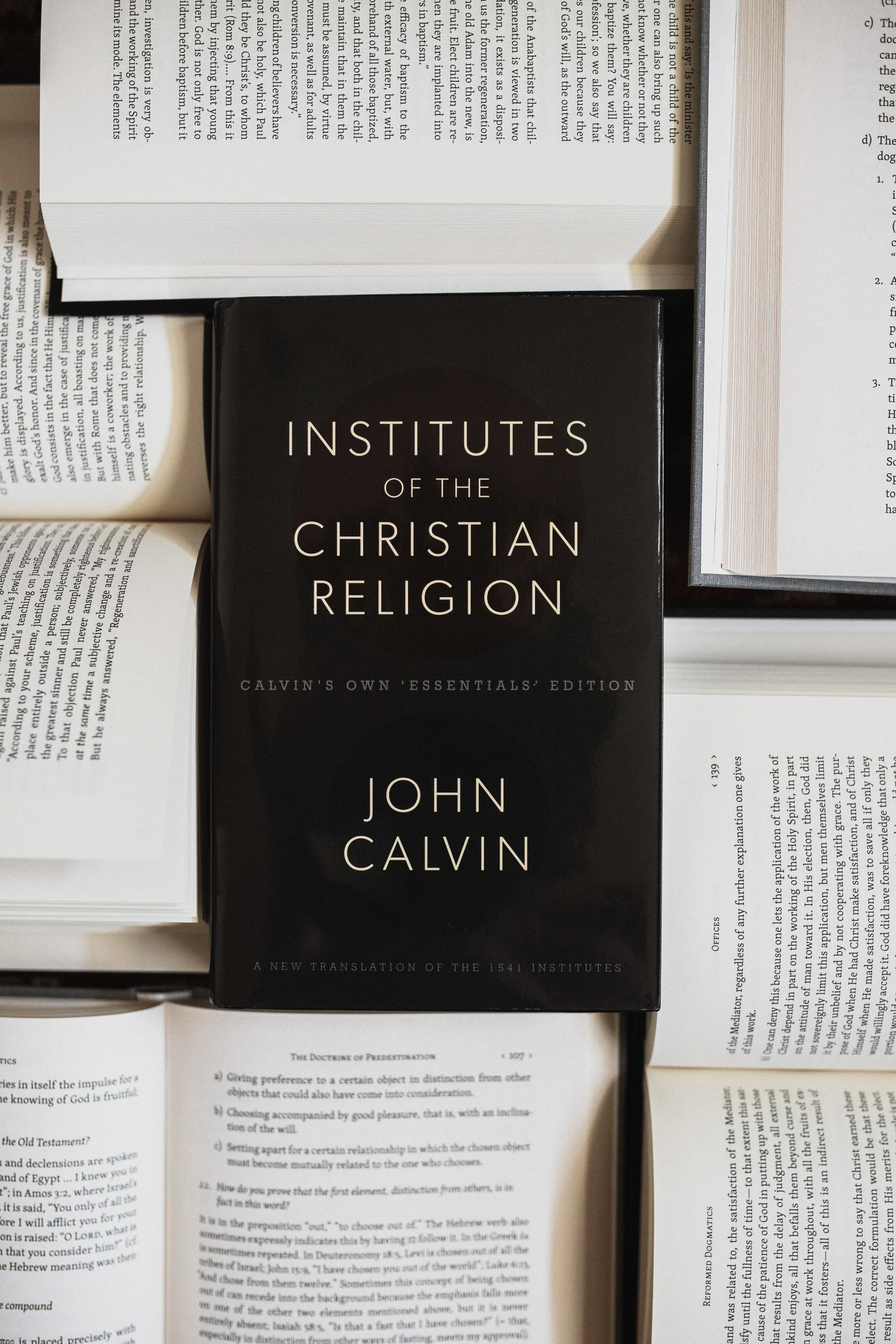
I knew it was coming. The conversation was inevitably leading to one of my least favorite assertions. I thought to myself, “Please don’t say it, please don’t say it.” Too late – the familiar words spilled out of her, “I’m not into theology. I just love God and people.” I cringed. Another well-intentioned believer had fallen prey to the false dichotomy between thinking well about God and living for God.
Jesus was born during the late Second Temple Period, a period charged with messianic expectation. For hundreds of years Second Temple Jews suffered beneath the foreign rule of one pagan empire after another. This instability energized the hopes of God’s people for deliverance and vindication. “Where is Messiah?” was the cry of every good Jew.

As far back as I remember I’ve lived with an insatiable appetite. I’ve always hungered for more – more of a good meal or a good feeling or a good moment. Regardless of how satisfying the food or the experience or the relationship may be, I inevitably awake desiring more.

Life spiraled into chaos the moment I set out to write this article. I helped with unplanned classes, battled pain, sifted through significant opportunities for my husband, woke up to a neighbor’s house fire and witnessed death, got the flu, and went on a family trip. Needless to say, enjoying God’s beauty wasn’t on the top of my “to-do” list.

If you think #MeToo is another transitory wave of social media outrage, think again. Harvey Weinstein’s out and the #MeToo Oscars are over, but the movement doesn’t appear to be going anywhere. This worldwide phenomenon has created a palpable culture shift as countless survivors of sexual violence and harassment have come forward to share their stories and give voice to hurting women.

If I were a man, I would be a church planter. I’m a strong leader with the gifts and wiring essential to the call. I thrive when casting vision, making disciples, training leaders, preaching the Word, and evangelizing the lost. I’ve been “thinking in sermons” since I was fifteen. But I’m a woman—a woman who believes God has spoken authoritatively in his Word on all matters pertaining to life and godliness.

Have you ever stopped to wonder why life actually seems harder as a Christian? Perhaps you were baptized under the assumption that life would be easier as a Jesus-follower only to discover shortly after it can be more difficult. Gone are the days of ease and carefree living; now you wrestle with an ongoing struggle of sorts.
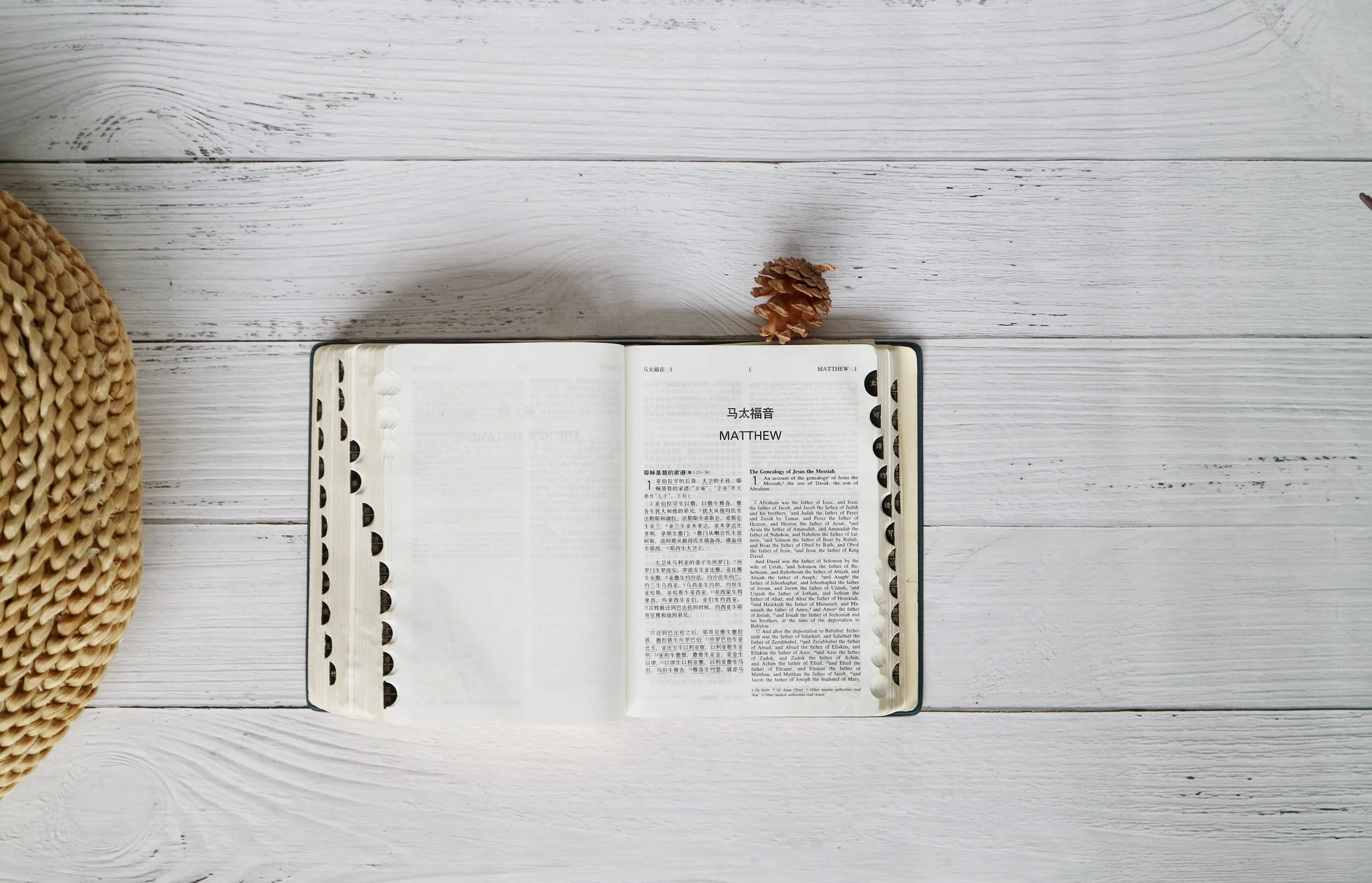
Words have no meaning apart from structure. So the way we arrange our words are just as important as the words we use. The Gospel of Matthew illustrates this perfectly. The life and teachings of Jesus are intentionally pieced together in such a way that you are forced to consider who Jesus is and how he has come in fulfillment of Old Testament expectations.

It’s that time of the year again. The time when multitudes flock to Hallmark aisles and stand awkwardly among strangers as they’re confronted with one of the most powerful, delicate, and potentially painful human relationships. That’s right, it’s Father’s Day.

It’s necessary, but it’s not easy. Humans were made for physical presence, so it’s natural to feel disordered when this presence is taken from us. The thought of social distancing brings a sense of loss—we worry we’ll lose spiritual vitality, stabilizing routines, interpersonal relationships. It’s scary.

What comes to mind when you think of church discipline? If you’re like me, you immediately go to high-profile cases that necessitate robust measures from church leaders. Church discipline may involve the whole church and its leaders. But church discipline actually starts, and by God’s grace ends, with you and me.

“The assumptions are really what kill. It’s almost always assumed singles are either dying of loneliness or burning with lust.” Nodding, eager to hear more, I thought back on similar accounts from singles in different churches. By trying to listen and learn from singles—young, old, male, female, divorced, widowed, working, students, seminarians—my goal was to get the inside scoop on their experience as singles in the church.

There I was again, lying in a hospital bed hooked to an IV receiving my usual “cocktail” for migraines. Despite years of treatment, I was still having episodes that landed me in the ER. This could have been the opportune moment to hit play on my usual “woe is me” self-talk. But that night something changed. I chose to preach the gospel to myself instead.
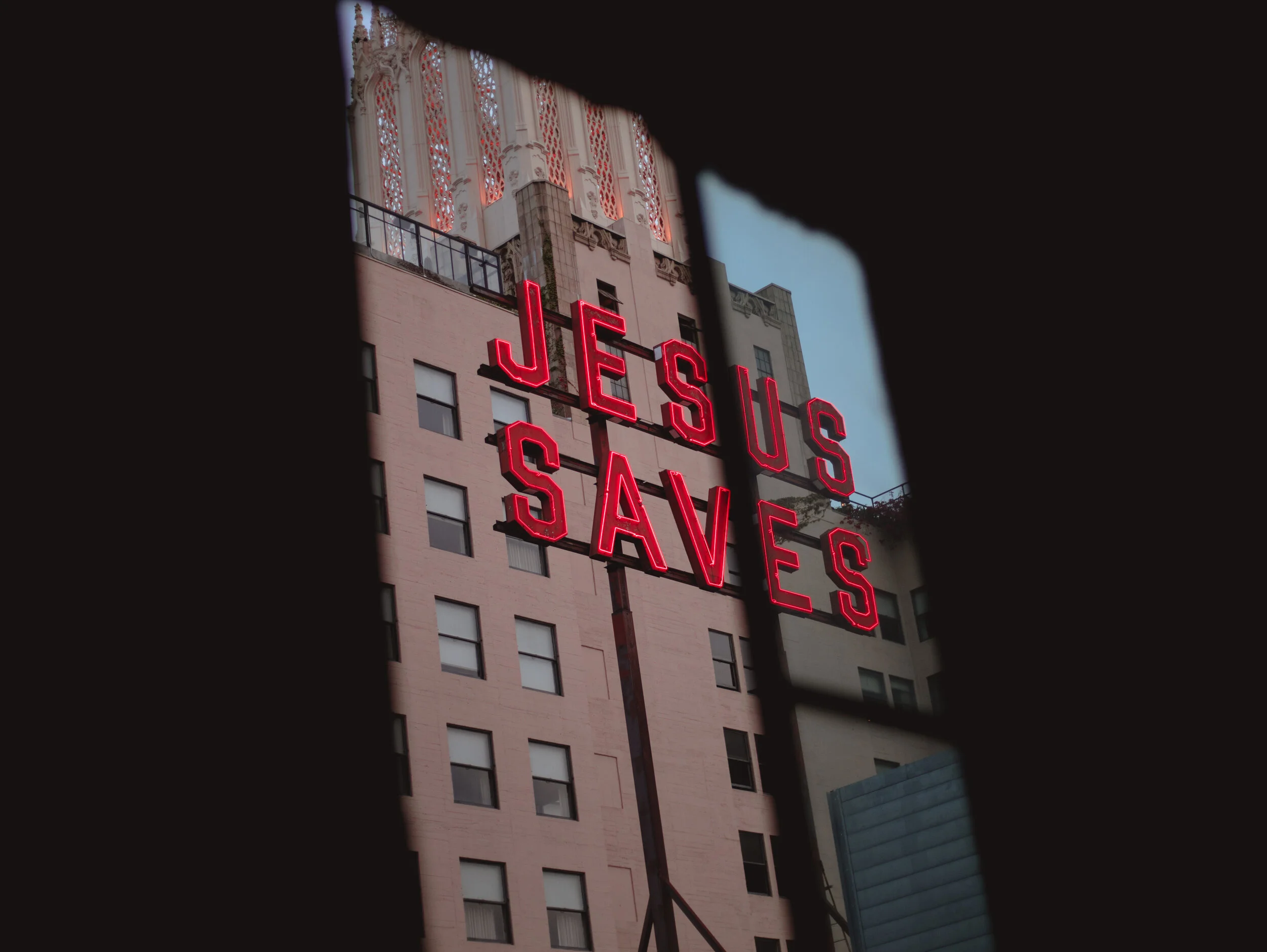
“God saves sinners.” That’s the truest sentence I know. I believe it’s the truest sentence in all the world. And that’s really, really good news for a sinner like me. Someone recently asked what I thought I’d be doing now, at thirty, if Jesus hadn’t saved me. That’s easy, whatever (old Whitney would add “the hell”) I wanted. Even if it meant my own destruction.
Lately my self-talk has been more subtle than usual, but no less harmful. During an ongoing season of being stretched in about every imaginable way, I’ve caught myself offhandedly thinking, “Don’t you wish you chose an easier path?” Or, “Why can’t you just have a normal, more comfortable life?” Undoubtedly, in these moments, I’m believing the lie that I can be a follower of Christ and a friend of the world.

A pastor once told me that in his twenties he couldn’t fathom how his friends fell into moral failure or quit vocational ministry. But now, in his fifties, he understands the possibility of both. I didn’t understand him then. I do now. Pressing forward in faith when you’re getting slammed with trial or temptation is exhausting. The truth is, life is exhausting.

For centuries Psalm 22:1-2 has shaped the grief and bewilderment God’s people have felt in their darkest hour. The Psalmist expresses anguish only known to the innocent sufferer who feels abandoned by everyone including God:
“My God, my God, why have you forsaken me? Why are you so far from saving me, from the words of my groaning? O my God, I cry by day, but you do not answer, and by night, but I find no rest.”

After two years of focused theological study I realized my soul needed a good story. It’s not that I don’t love reading theology, but during this season I wanted something different to stir my heart. I knew any old story wouldn’t work. No, it was time for a fairy tale.

Right now I’m tempted to believe that God is holding out on me. There. I said it. I planned to postpone writing this until I could speak about my unbelief in the past tense. Like most of you I’m more comfortable sharing my struggles when I can see them in the rearview mirror (with a lesson in my back pocket of course).
Most popular
If I were a man, I would be a church planter. I’m a strong leader with the gifts and wiring essential to the call. I thrive when casting vision, making disciples, training leaders, preaching the Word, and evangelizing the lost. I’ve been “thinking in sermons” since I was fifteen. But I’m a woman—a woman who believes God has spoken authoritatively in his Word on all matters pertaining to life and godliness.

Five years ago, if you had told me I would be susceptible to the black hole of social media and Netflix, I would have laughed. But these days I find myself increasingly formed by hours of screen time rather than God’s Word.
Whit’s Picks
It’s necessary, but it’s not easy. Humans were made for physical presence, so it’s natural to feel disordered when this presence is taken from us. The thought of social distancing brings a sense of loss—we worry we’ll lose spiritual vitality, stabilizing routines, interpersonal relationships. It’s scary.
2 Corinthians is a letter written by the apostle Paul in response to a complicated relationship between him and the church at Corinth. Let’s just say they “had a history.” Paul started this Jesus community sometime before on one of his missionary journeys (see Acts 18). After moving on to plant more churches, he gets a disturbing report that things were not going well in Corinth (1 Cor. 1:11).

This doctrine, which is central to the gospel, keeps me sane and secure amid suffering. I can wake up and face another symptom-ridden day with faith intact knowing that my greatest problems—sin, death, and eternal judgment—has been dealt with through Jesus.
We don’t talk a lot about covenants today. But we should. They’re one of the most important themes in the Bible because they act as the skeletons upon which the entire redemptive story is built. They’re like the backbone of the Bible.